📋 SURVIVAL & RECONSTRUCTION GUIDES
Written guides organized by reconstruction phase. Click any guide to read & discuss.
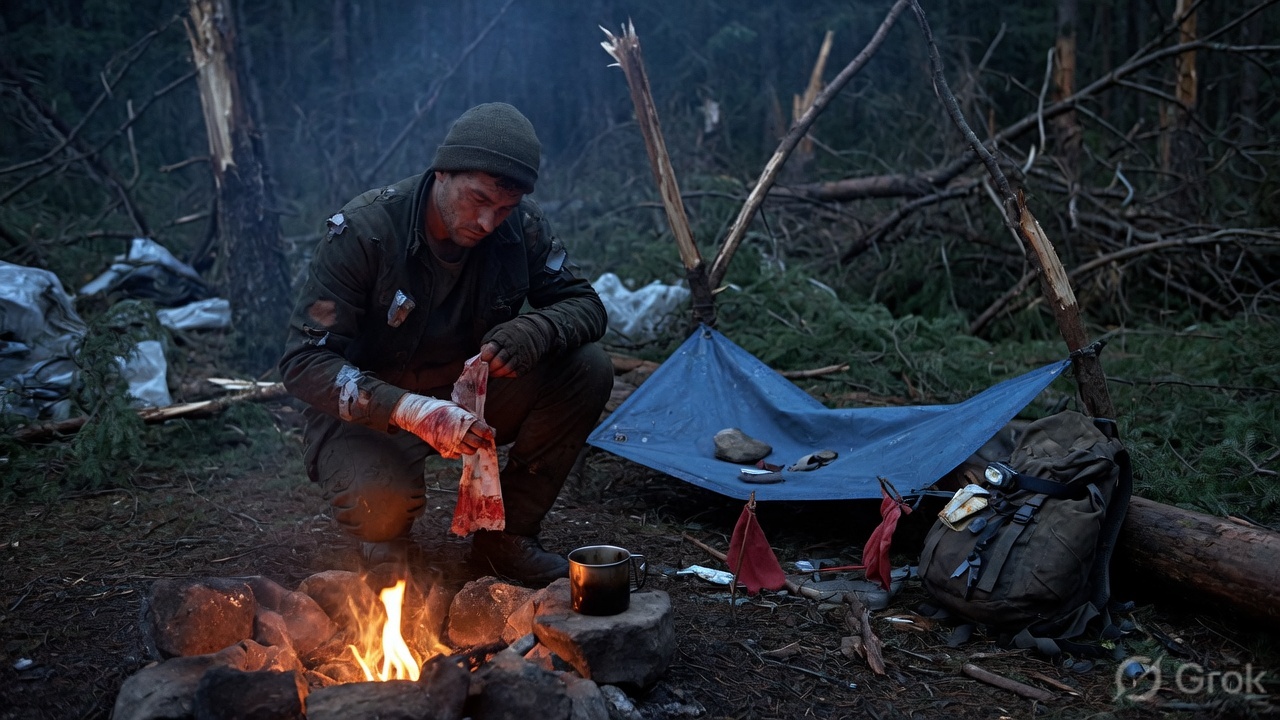
First Moves: What To Do in the First 72 Hours
Priority order when everything is on fire: stop the killers, build a safe bubble, secure water, then signal or move with a plan. The rule of threes turned into a day-by-day field checklist.
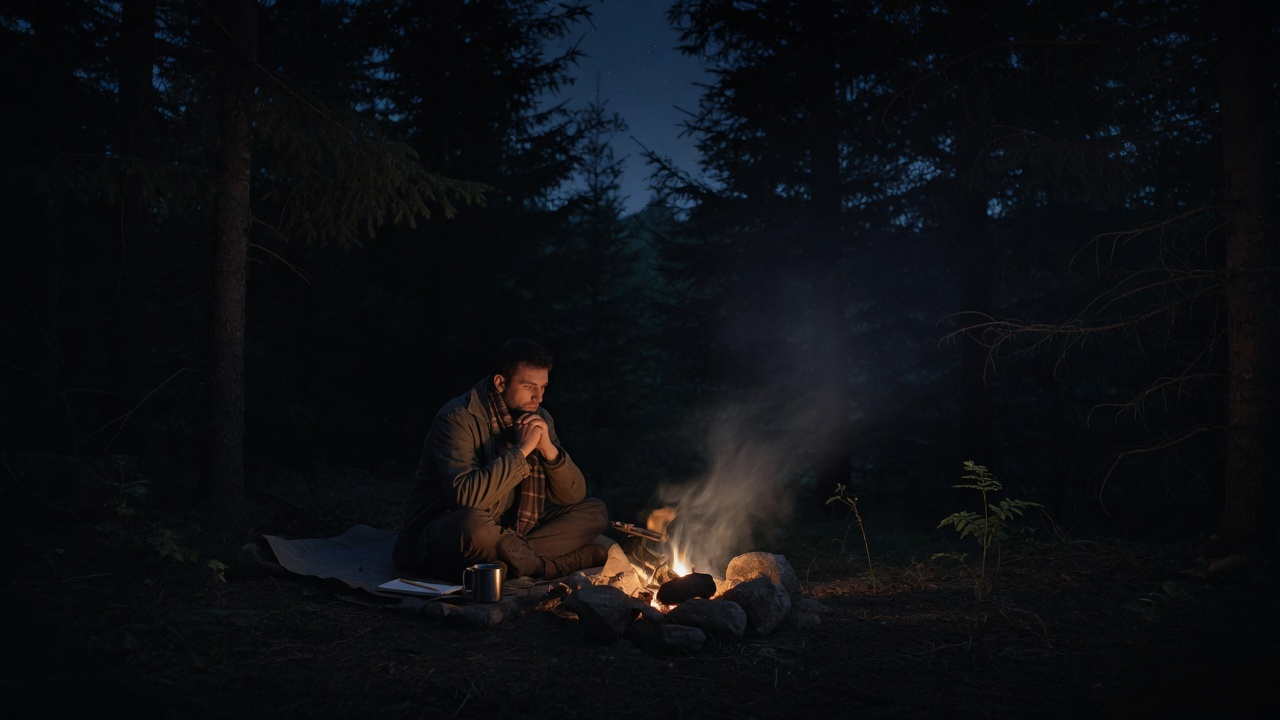
Maintaining Sanity: The Little Things That Keep You Alive
This is Guide #1 for a reason. Every survival skill on this site is useless if your mind breaks first. Mental resilience is a pre-disaster and post-disaster skill — this guide gives you the exact protocols to stay sane.
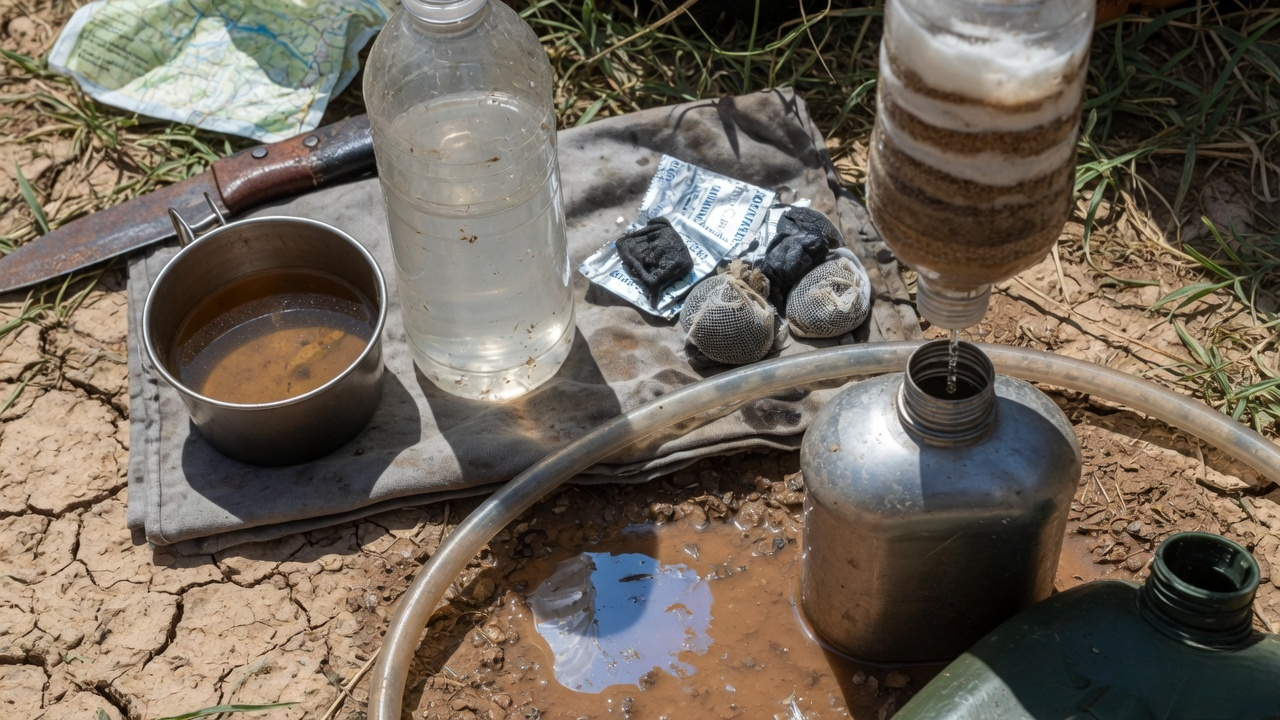
Water: Finding, Purifying & Storing the One Thing You Can't Survive Without
You have roughly 3 days without water before your body starts shutting down. This guide covers how to find, collect, purify, and store water in every environment and after every type of disaster — including the myths that will get you killed.
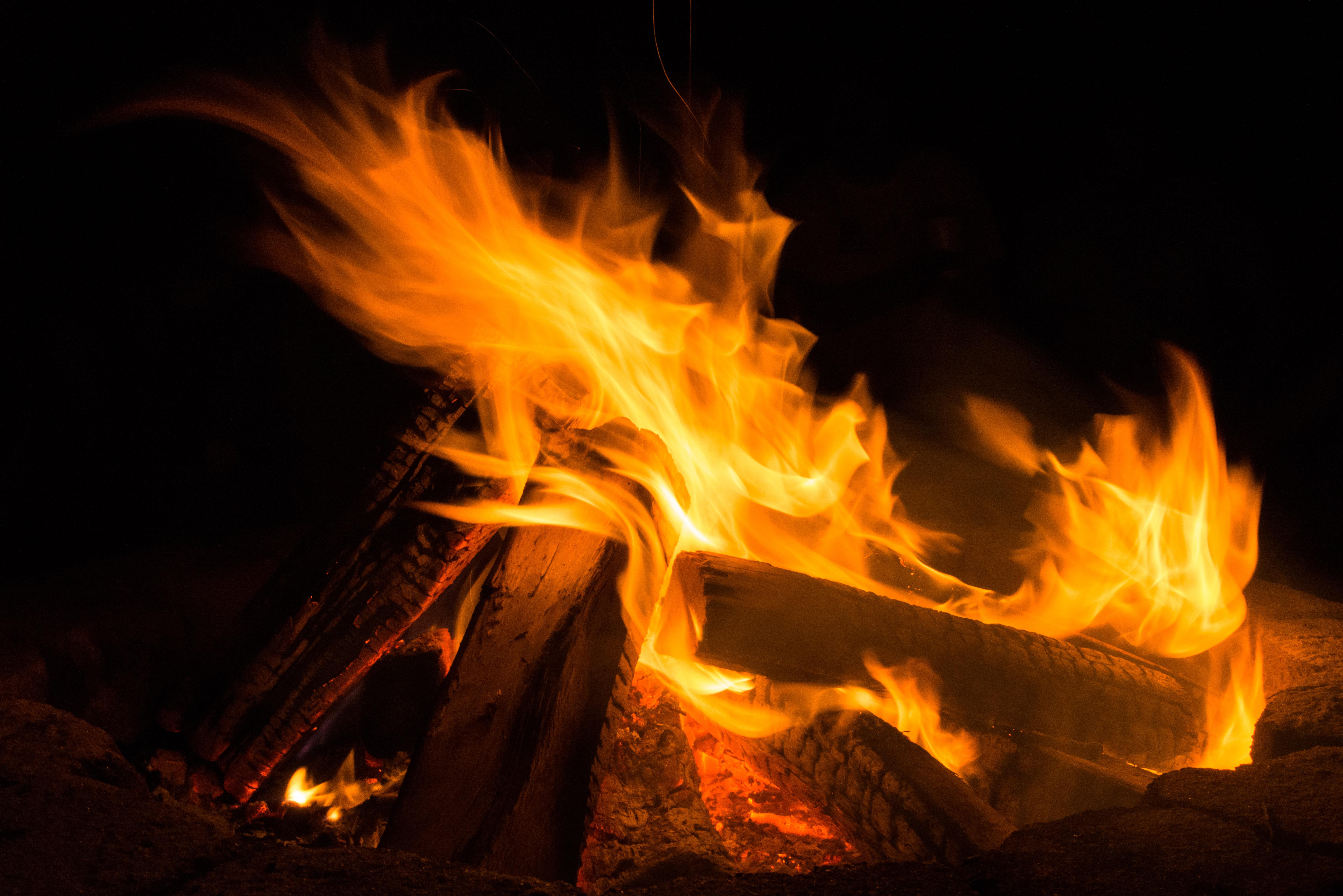
Fire: Starting, Maintaining & Mastering
Fire is not just warmth — it's water purification, cooking, tool-making, signalling, and the single biggest morale boost in survival. This guide covers the fire triangle, tinder grades, ignition methods from lighters to friction fire, layouts for different needs, techniques for wet/windy/frozen conditions, banking coals overnight, transporting embers, wood selection, fire as a tool, and when NOT to light a fire.
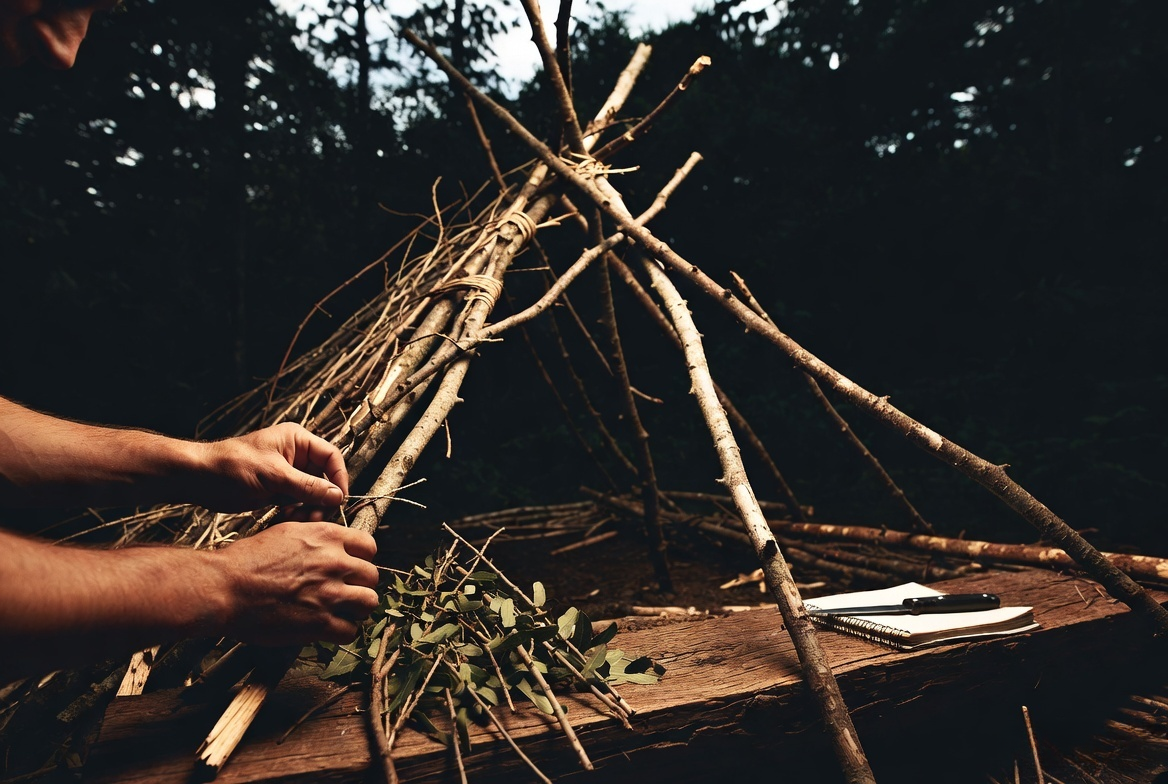
Shelter: Finding, Building & Surviving the Night
Exposure kills faster than hunger, thirst, or injury. This guide covers location selection, emergency shelters you can build in minutes, the debris hut (the most important wilderness shelter), lean-tos with fire reflectors, snow shelters (quinzhee, trench, cave), hot-climate shade structures, urban post-disaster shelters, waterproofing, sleeping systems and ground insulation, long-term upgrades, and the mistakes that get people cold, wet, or killed.
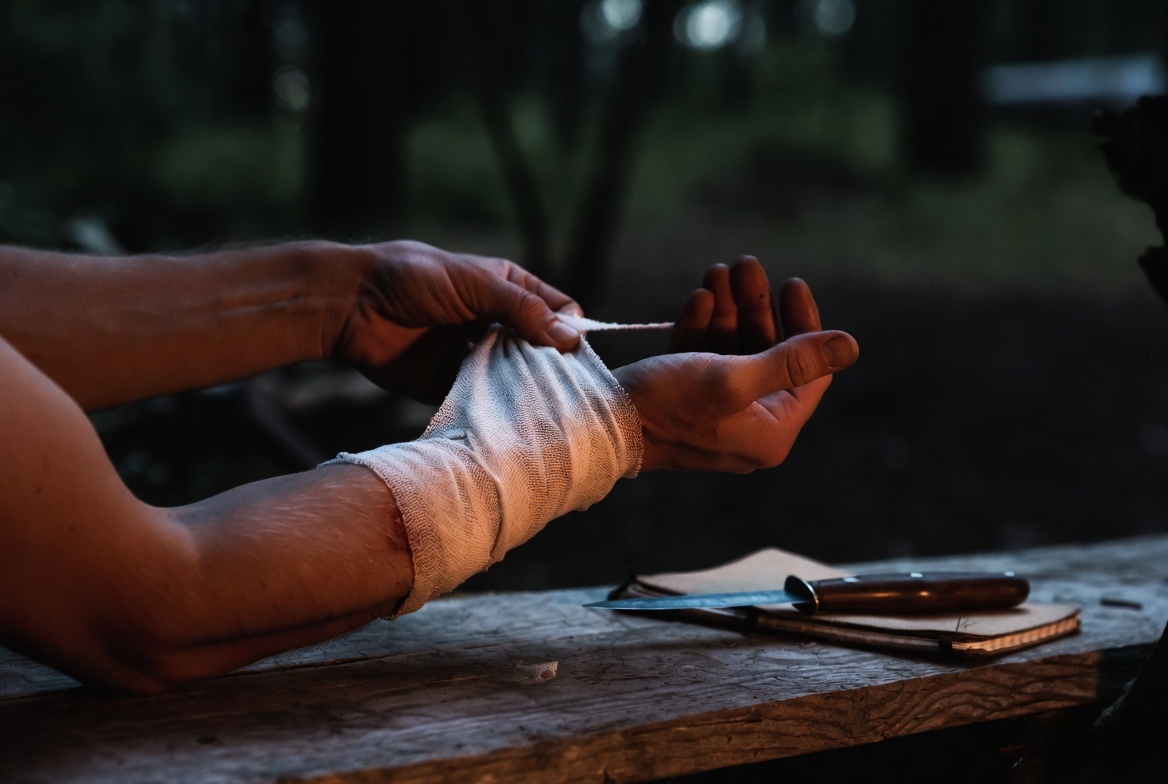
First Aid: Trauma, Illness & Improvised Medicine
You are the hospital now. This guide covers the survival medicine priorities: bleeding control (direct pressure, wound packing, tourniquets), airway management, wound cleaning and infection prevention, improvised antiseptics (honey, salt, pine resin), fractures and splinting, burns, dehydration and environmental injuries, snakebites and envenomation, gastrointestinal illness and oral rehydration, improvised medical supplies from scavenged and natural materials, and psychological first aid.
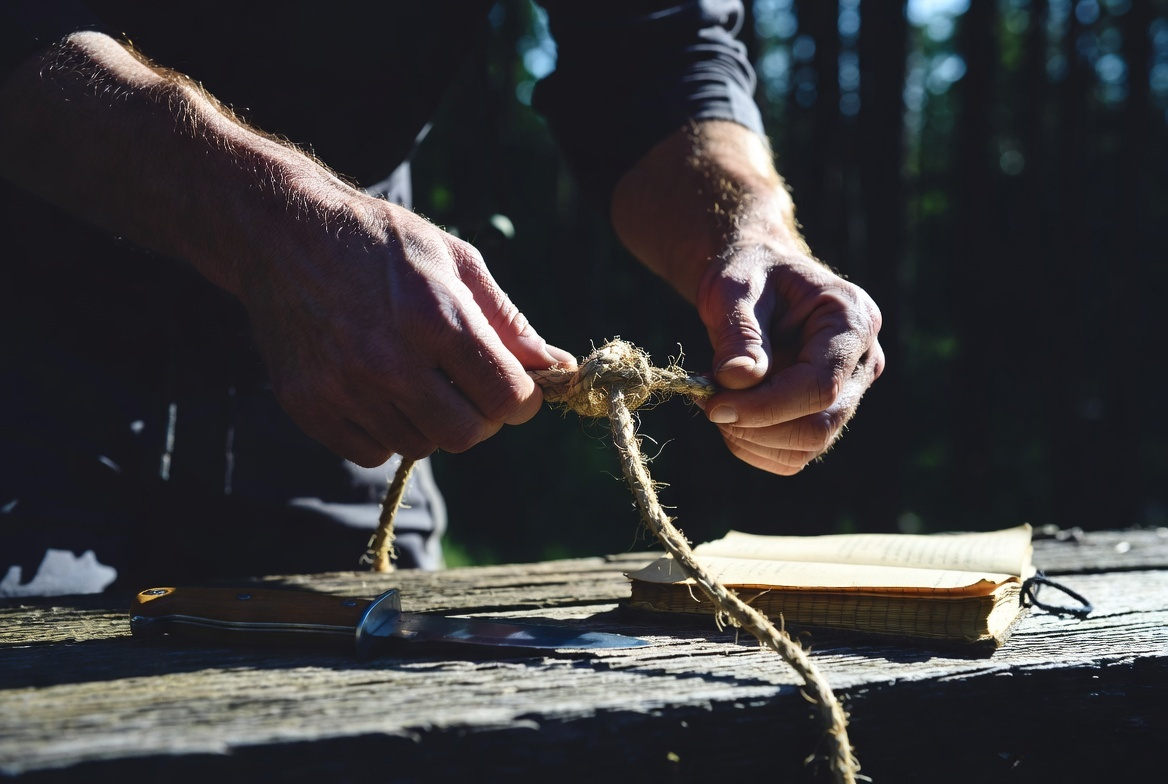
Knots, Cordage & Rope: The Line That Holds Everything Together
Rope makes every other survival skill possible. This guide covers making cordage from plant fibres (nettle, inner bark, cattail, yucca, grasses) using the reverse-twist plying technique, animal-based cordage (rawhide, sinew, gut), finding salvaged rope and modern materials, the eight essential knots (bowline, clove hitch, taut-line hitch, sheet bend, figure-eight loop, trucker’s hitch, two half hitches, Prusik), the three core lashings (square, diagonal, shear), rope safety and maintenance, knot
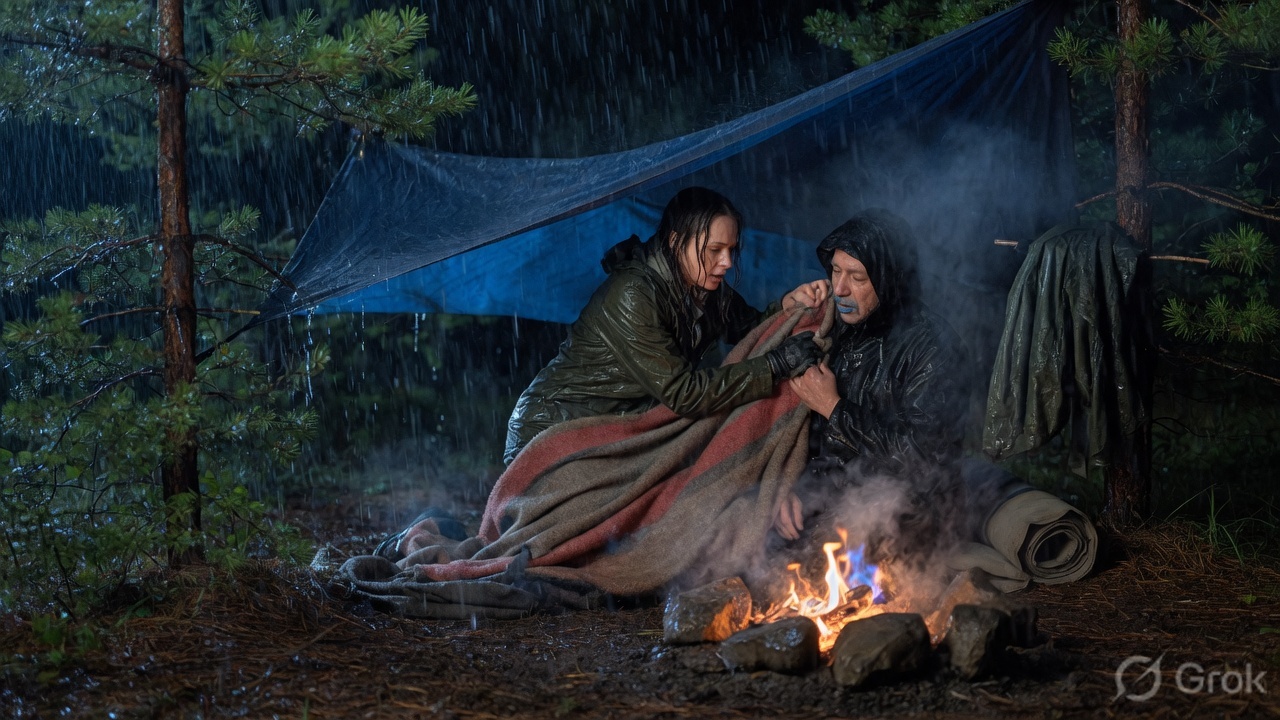
Weather Injuries: Hypothermia, Heat Stroke & Exposure
Weather kills by stealing or dumping heat faster than your body can compensate. This is the field protocol for hypothermia, heat stroke, frostbite, and wet-cold injury: how to spot them, how to stop them, and the mistakes that finish people off.
Food: Identifying & Grading What’s Safe
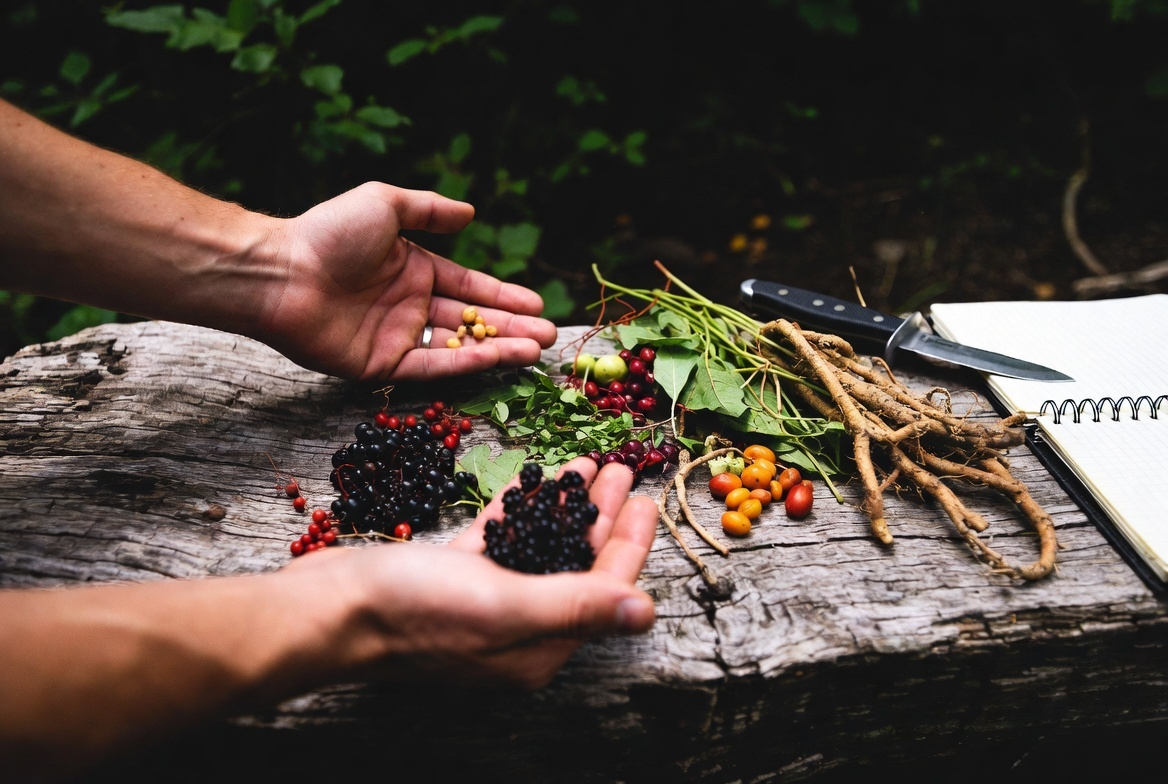
You can survive weeks without food — but hunger destroys your judgement long before it kills your body. This guide gives you a grading system: a practical framework for assessing any food source from Grade A (eat with confidence) to Grade D (not worth your life). Learn to categorise first. For cooking methods, see the companion Cooking guide. For long-term storage, see the Food Preservation guide.
Cooking: Methods, Equipment & Safety
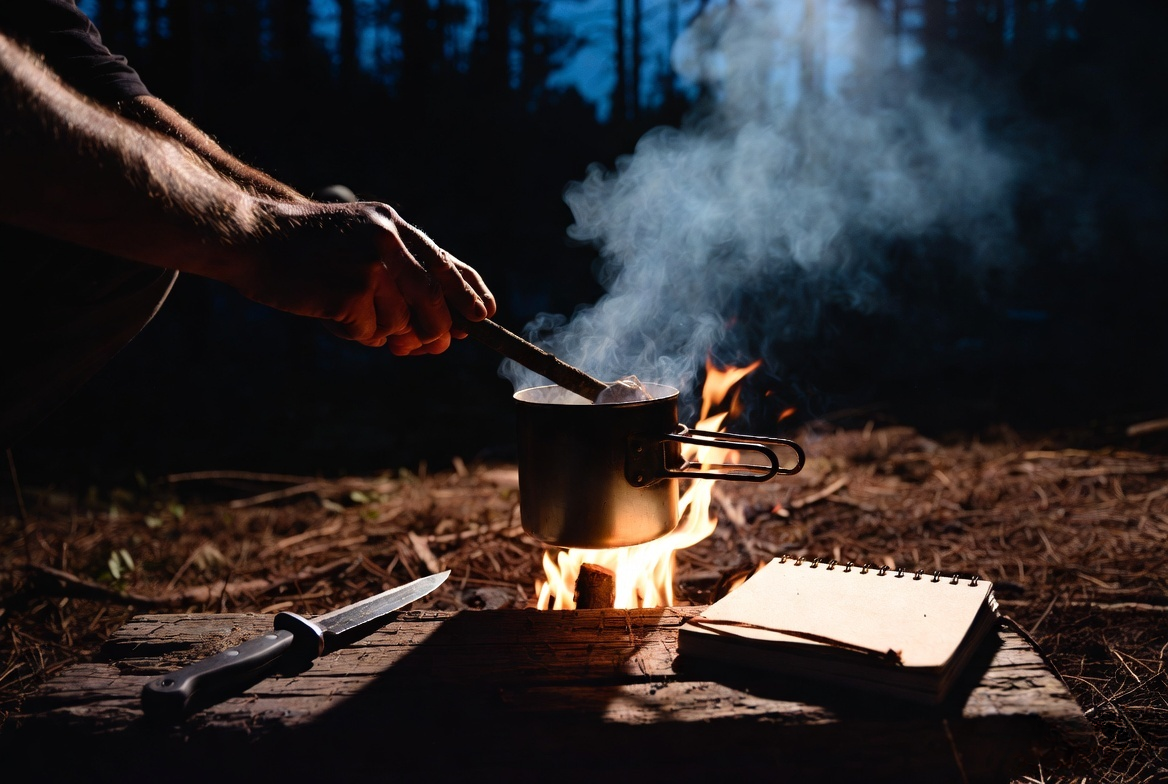
Cooking is a force multiplier — it kills parasites, neutralises toxins, and unlocks 30–50% more calories from the same food. This guide covers detailed cooking methods (boiling, roasting, baking, earth oven, frying), improvised equipment from scavenged and natural materials, cooking guidance for every food type, doneness tests without a thermometer, hygiene rules, and the most common mistakes that get people sick.
Food Preservation: Drying, Smoking, Salting & More
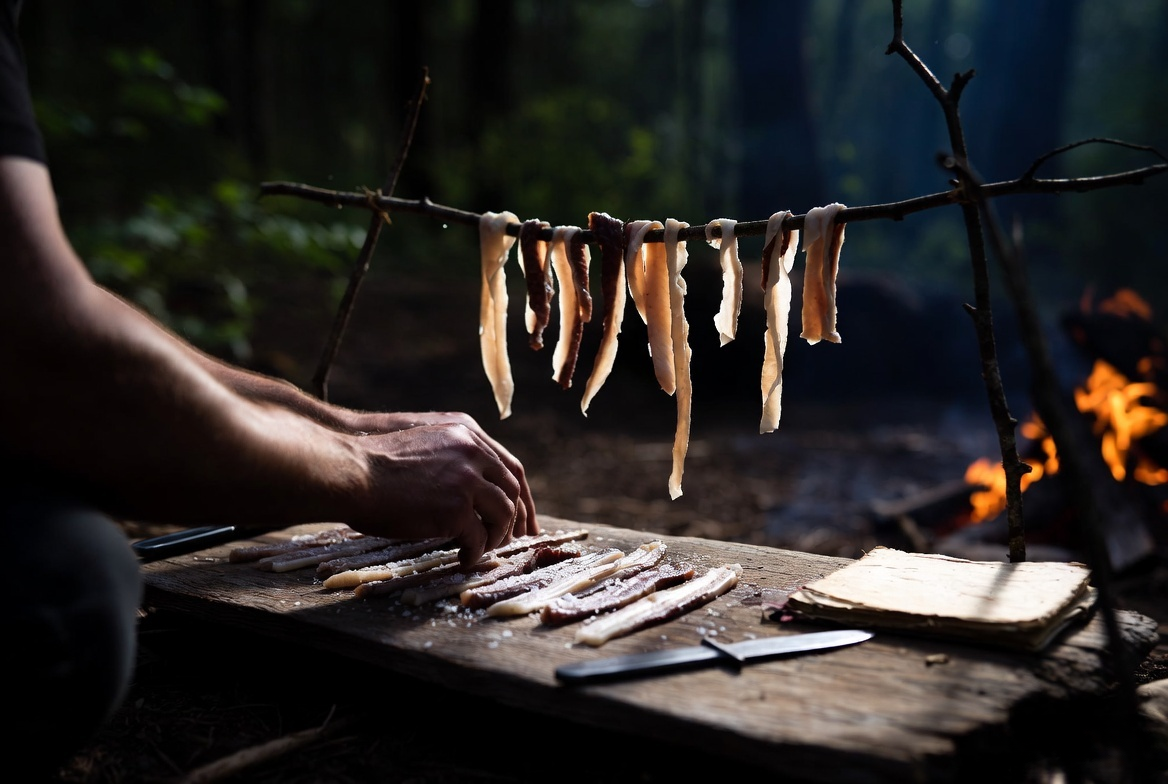
Food rarely arrives steadily in survival — you get windfalls and then nothing. Preservation turns one good day into a week of security. This guide covers air drying (jerky, fish, fruit), smoking (hot vs cold, smokehouse construction), salting (dry and brine, where to find salt), cold storage, pemmican, fermentation, spoilage signs, and shelf life references for every method.
Navigation: Finding Your Way Without Technology
When GPS is dead and road signs are gone, you navigate with the sky, the terrain, and your own observations. This guide covers celestial navigation (sun, stars, moon), the shadow stick and watch methods, compass use and improvised compass construction, natural direction indicators, map reading and terrain association, route planning (catching features, aiming off, leg-by-leg movement), the STOP protocol for when you're lost, environment-specific navigation (forest, desert, snow, urban, coastal),
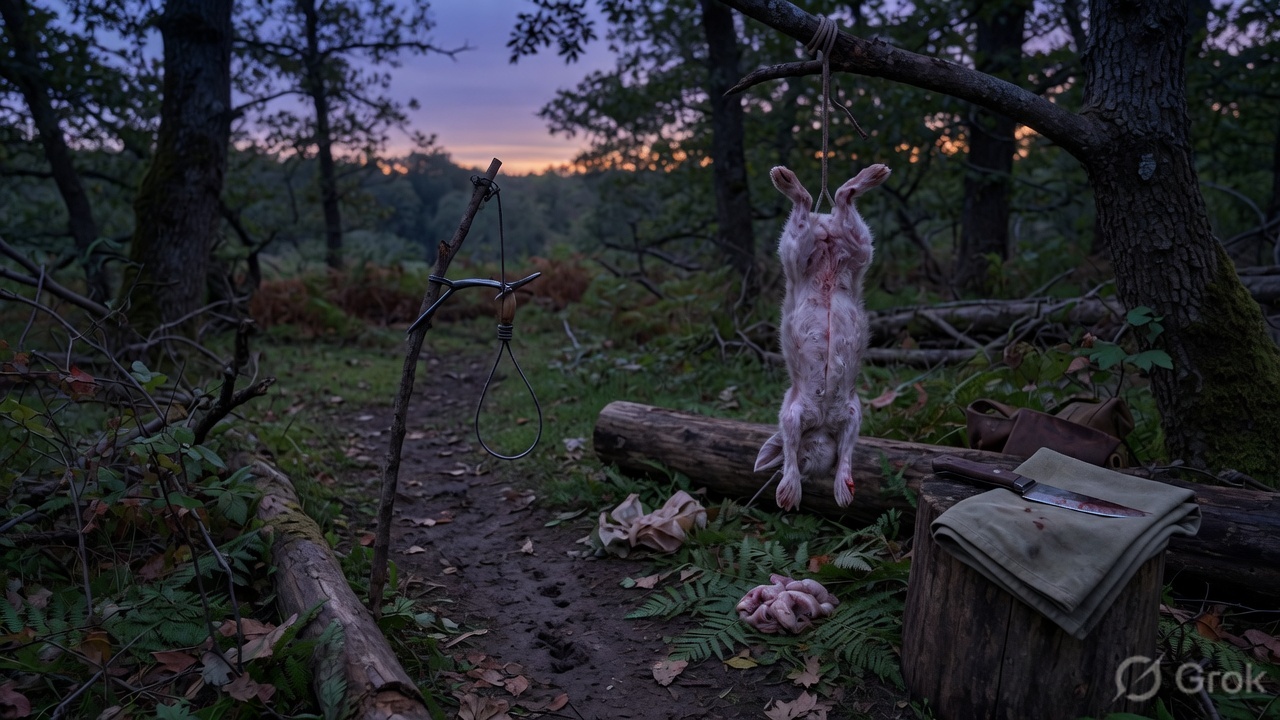
Hunting & Trapping: Taking Game Without Wasting It
Months 1–6 is when hunting starts to matter. This guide is the field order: small game first, traps that work, a clean kill, then cool–clean–dry so the meat feeds you instead of flies, scavengers, or a gut infection.
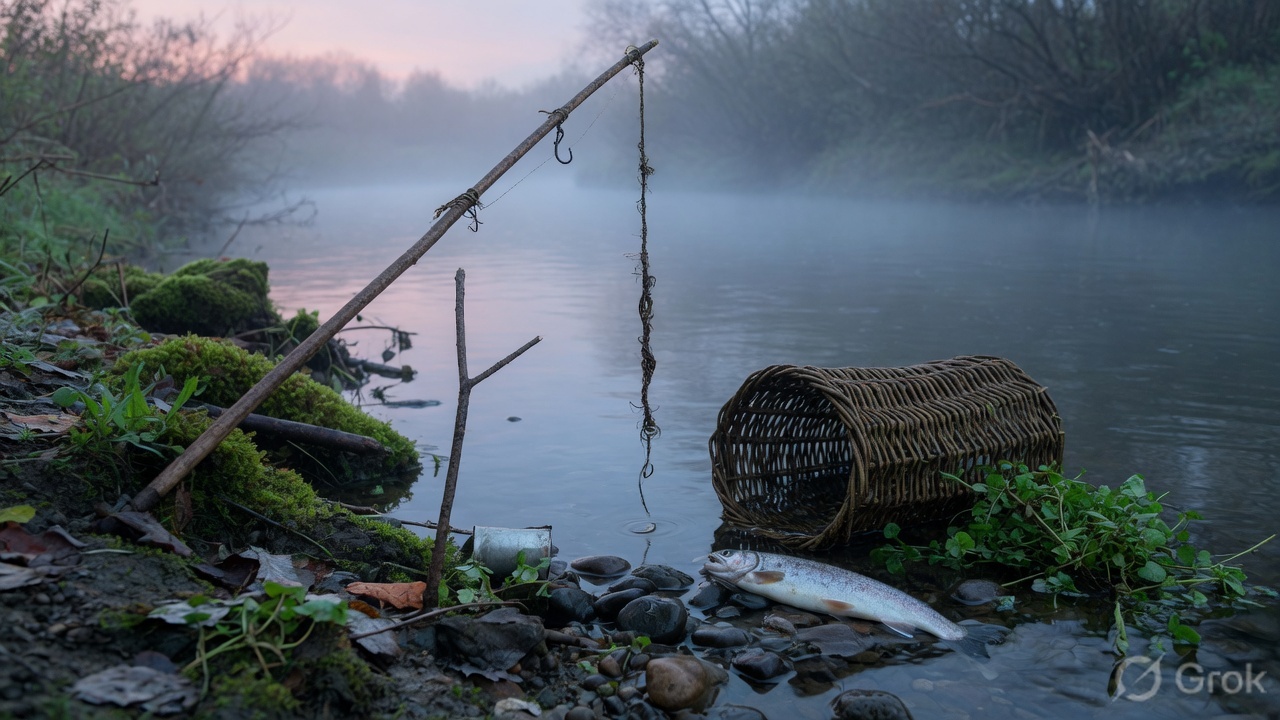
Fishing: Lines, Traps, Spears & What You Can Eat
Fish are the most reliable wild protein once shelter and water are stable. This guide covers where they live, how to take them with lines, traps, and spears, and how to decide what is food versus what will put you on your back.
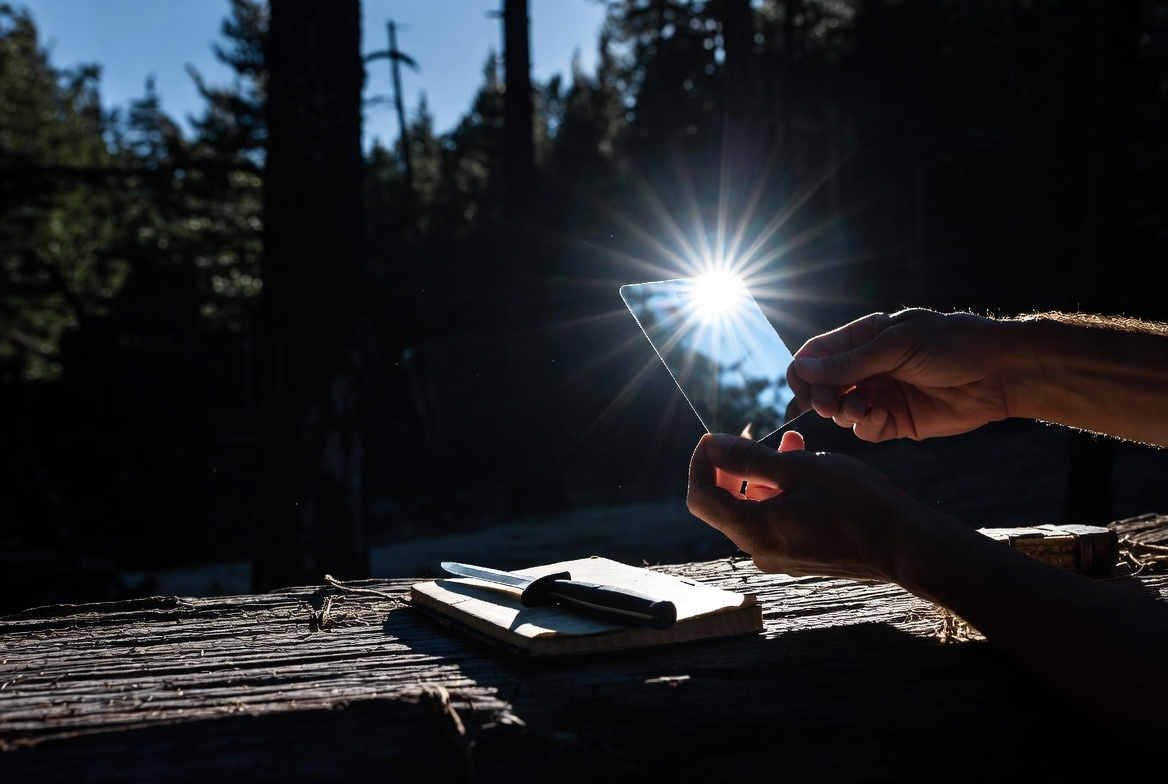
Signalling & Communication: Being Found & Staying Connected
From lighting a signal fire to building a radio from scrap — this guide covers every method of making yourself heard, seen, and found. Signal fires and smoke (colour control, three-fire distress triangle), mirror signalling technique, sound signals (whistles, banging, gunshots), ground-to-air symbols (ICAO standards), written messages and trail communication, radio operation (finding radios, key frequencies, MAYDAY protocol, battery conservation), Morse code (full alphabet and numbers), improvis
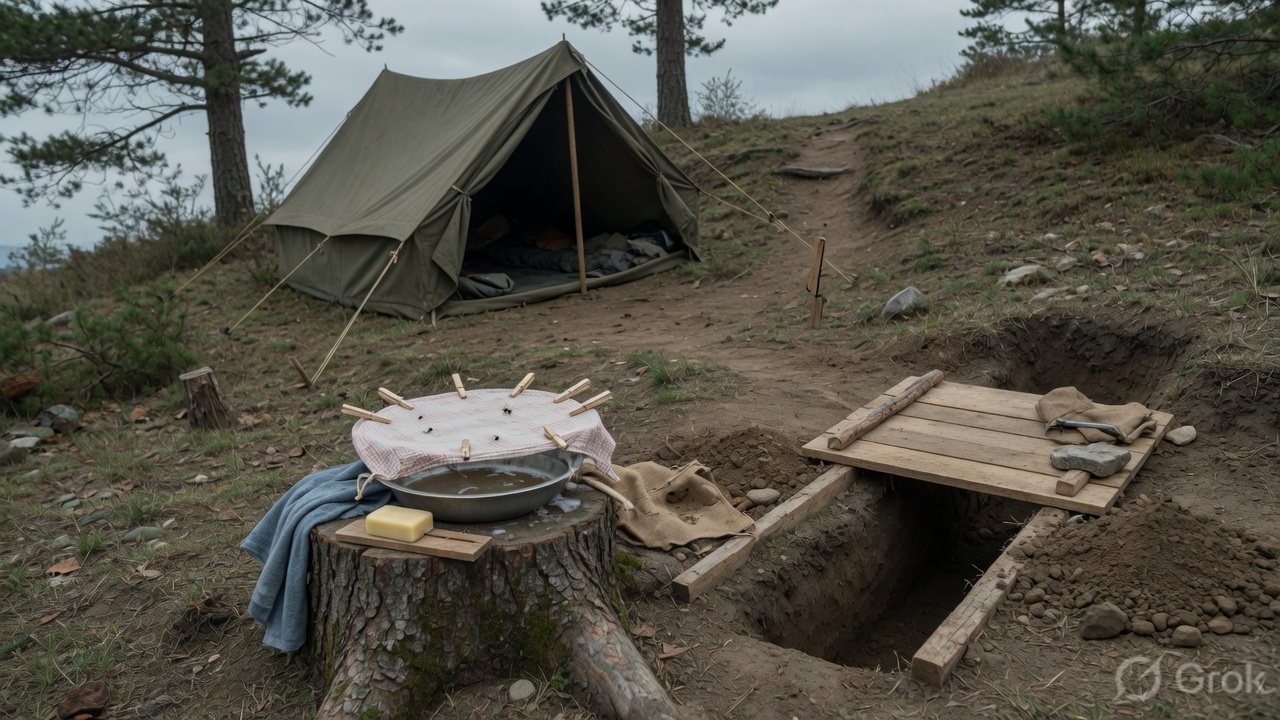
Sanitation: Latrines, Hygiene & Stopping Disease
A camp that stays in one place without toilets becomes a disease factory. This guide covers siting and building latrines, handwashing, greywater, flies, and what to do when diarrhoea starts — field methods only, no invented medicine.